 Ao vivo
Sobre o local
Contexto local
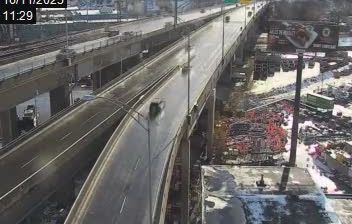
The West Island (French: l'Ouest de l'île, pronounced [lwɛst də lil]) is the unofficial name given to the city, towns and boroughs at the western end of the Island of Montreal, in Quebec, Canada. It is generally considered to consist of the Lakeshore municipalities of Lachine (specifically the Western Lachine area, also known as Dixie and later Summerlea), Dorval, Pointe-Claire, and Beaconsfield, the municipalities of Kirkland, Dollard-des-Ormeaux, Baie-D'Urfé, Sainte-Anne-de-Bellevue, the village of Senneville, and two North Shore boroughs of the city of Montreal: Pierrefonds-Roxboro and L'Île-Bizard–Sainte-Geneviève. Historically, there was a linguistic division of the island of Montreal into French and English 'halves', with Francophones typically inhabiting the eastern portion of the island and Anglophones typically inhabiting the western half. The West Island's population is approximately 238,000 and although the overwhelming majority of its residents are today bilingual if not multi-lingual (given the cosmopolitan nature of this vast suburban area), anglophones still make up a plurality of the West Island's population. As late as the 1960s, much of the West Island was farmland populated by French Canadians, which in turn accounts for a significant Francophone cultural influence in the region. The region is home to the Montréal–Trudeau International Airport, John Abbott College, Cégep Gérald-Godin, the Macdonald Campus of McGill University, the Fairview Pointe-Claire and Galeries des Sources malls, as well as Montreal's largest park, the Cap-Saint-Jacques Nature Park.
Fonte do diretório
Página externa ao vivo
Abra o destino original do diretório em uma nova aba.
Abrir página externaPróximos e recomendados
Webcams ao vivo pelo mundo

Ao vivo em destaque
Perfis de transmissores


Descubra lugares
Diretório global
Africa
Antarctica
Asia
Europe
North America
Oceania
South America