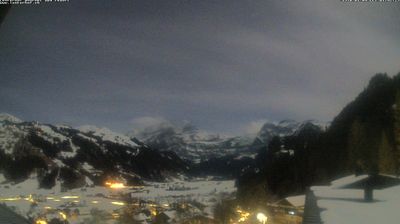
 Live
Live
Über den Ort
Lokaler Kontext
Baghdad is the capital and largest city in Iraq. It is located on the banks of the Tigris in central Iraq. The city has an estimated population of 8 million. It ranks among the most populous and largest cities in the Middle East and the Arab world and constitutes 22% of Iraq's population. Baghdad is a primary financial and commercial center in the region. Founded in 762 AD by Al-Mansur on a site with settlement dating back to at least the Neo-Babylonian period, Baghdad became the capital of the Abbasid Caliphate and its most notable development project. The city evolved into an intellectual and cultural center. This, in addition to housing several key academic institutions, including the House of Wisdom, as well as a multi-ethnic and multi-religious environment, garnered it a worldwide reputation as the "Center of Learning". For much of the Abbasid era, during the Islamic Golden Age, Baghdad was one of the largest cities in the world and rivaled Chang'an, as the population peaked at more than one million. It was largely destroyed at the hands of the Mongol Empire in 1258, resulting in a decline that would linger through many centuries due to frequent plagues, shift in power and multiple successive empires. Later, Baghdad served as the administrative center of Ottoman Iraq, exercising authority over the provinces of Basra, Mosul, and Shahrizor. During the First World War, Baghdad was made the capital of Mandatory Iraq. With the recognition of Iraq as an independent monarchy in 1932, it gradually regained some of its former prominence as a significant center of Arab culture.
Verzeichnisquelle
Externe Live-Seite
Öffne das ursprüngliche Verzeichnisziel in einem neuen Tab.
Externe Seite öffnenIn der Nähe und empfohlen
Live-Webcams weltweit
Live vorgestellt
Broadcaster-Profile


Orte entdecken
Globales Verzeichnis
Africa
Antarctica
Asia
Europe
North America
Oceania
South America