 En directo
Sobre el lugar
Contexto local
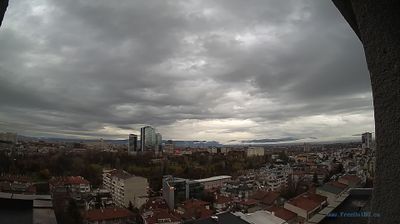
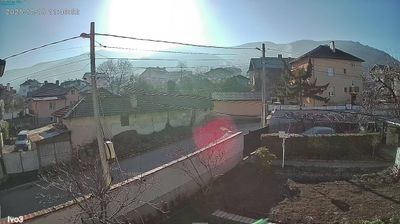
Sofia is the capital and largest city of Bulgaria. It is situated in the Sofia Valley at the foot of the Vitosha mountain, in the western part of the country. The city is built west of the Iskar river and has many mineral springs, such as the Sofia Central Mineral Baths. It has a humid continental climate. Known as Serdica in antiquity, Sofia has been an area of human habitation since at least 7000 BC. The recorded history of the city begins with the attestation of the conquest of Serdica by the Roman Republic in 29 BC from the Celtic tribe Serdi. During the decline of the Roman Empire, the city was raided by Huns, Visigoths, Avars, and Slavs. In 809, Serdica was incorporated into the First Bulgarian Empire by Khan Krum and became known as Sredets. In 1018, the Byzantines ended Bulgarian rule until 1194, when it was reincorporated by the Second Bulgarian Empire. Sredets became a major administrative, economic, cultural and literary hub until its conquest by the Ottomans in 1382. From 1530 to 1836, Sofia was the regional capital of Rumelia Eyalet, the Ottoman Empire's largest and most important province. Bulgarian rule was restored in 1878. Sofia was selected as the capital of the Third Bulgarian State in the next year, ushering a period of intense demographic and economic growth. Sofia is the 14th-largest city in the European Union. It is surrounded by mountains including Vitosha to the south, Lyulin to the west, and the Balkan Mountains to the north. It is the third highest European capital after Andorra la Vella and Madrid. Sofia is home to several universities, cultural
Fuente del directorio
Página externa en vivo
Abre el destino original del directorio en una nueva pestaña.
Abrir página externaCercanos y recomendados
Webcams en directo del mundo


En vivo destacado
Perfiles de creadores


Descubrir lugares
Directorio global
Africa
Antarctica
Asia
Europe
North America
Oceania
South America