 Live
Live
Informazioni sul luogo
Contesto locale
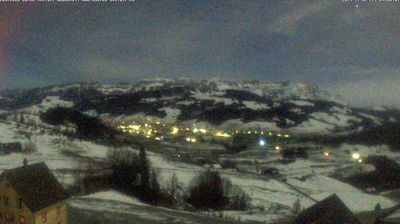
La Paz (Spanish: [la ˈpas] ; lit. 'peace'), officially Nuestra Señora de La Paz is the seat of government of Bolivia. With 755,732 residents as of 2024, it is the third-most populous city in Bolivia. Its metropolitan area, which includes the neighboring city of El Alto, and other smaller towns, is the second most populous urban area in Bolivia, with a population of 2.2 million, after Santa Cruz de la Sierra with a population of 2.3 million. The city is also the capital of the department of the same name. Located in west-central Bolivia 68 km (42 mi) southeast of Lake Titicaca, La Paz is set in a canyon created by the Choqueyapu River. It is in a bowl-like depression, part of the Amazon basin, surrounded by the high mountains of the Altiplano. Overlooking the city is the triple-peaked Illimani. Its peaks are always snow-covered and can be seen from many parts of the city. At an elevation of roughly 3,650 m (11,975 ft) above sea level, La Paz is the highest administrative capital city in the world. Due to its altitude, the city has an unusual subtropical highland climate, with rainy summers and dry winters. La Paz was founded on 20 October 1548, by the Spanish conquistador Captain Alonso de Mendoza, at the site of the Inca settlement of Laja as a connecting point between the commercial routes that led from Potosí and Oruro to Lima; the full name of the city was originally Nuestra Señora de La Paz (meaning Our Lady of Peace) in commemoration of the restoration of peace following the insurrection of Gonzalo Pizarro and fellow conquistadors against the first Viceroy of Peru. The
Fonte della directory
Pagina live esterna
Apri la destinazione originale della directory in una nuova scheda.
Apri pagina esternaNelle vicinanze e consigliati
Webcam live nel mondo
Live in evidenza
Profili broadcaster


Scopri luoghi
Directory globale
Africa
Antarctica
Asia
Europe
North America
Oceania
South America