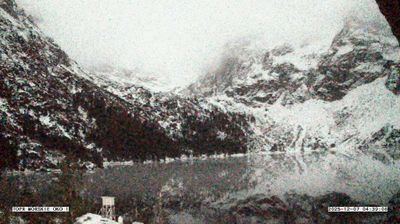
 En direct
À propos du lieu
Contexte local
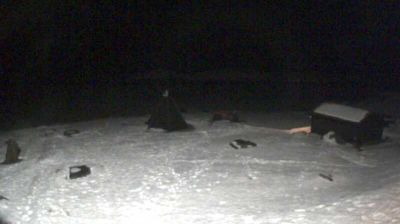
Greenland is an autonomous territory of the Kingdom of Denmark and is the largest of the kingdom's three constituent parts by land area, the others being Denmark proper and the Faroe Islands. Citizens of Greenland are citizens of Denmark. They are thus citizens of the European Union (EU), although Greenland is not part of the EU. It is the world's largest island and lies between the Arctic and Atlantic oceans, east of the Canadian Arctic Archipelago. It shares a small 1.2-kilometre (0.75 mi) border with Canada on Hans Island. The capital and largest city is Nuuk. Kaffeklubben Island off the northern coast is the world's northernmost undisputed point of land – Cape Morris Jesup on the main island was thought to be so until the 1960s. Economically, Greenland is heavily reliant on aid from Denmark, which has averaged 5.4 billion kr. (€724 million) annually in the period 2019–2023, amounting to more than 20% of the territory's gross domestic product. Though a part of the continent of North America, Greenland was politically and culturally associated with the European kingdom of Norway from 986 until the early 15th century. From the 18th century, following the union of Denmark and Norway and the establishment of the Nuuk settlement, Greenland gradually became associated with Denmark. Greenland has been inhabited at intervals over at least the last 4,500 years by circumpolar peoples whose forebears migrated there from what is now Canada. Norsemen from Norway settled the uninhabited southern part of Greenland beginning in the 10th century (having previously settled Iceland), and t
Source de l’annuaire
Page externe en direct
Ouvrez la destination d’origine dans un nouvel onglet.
Ouvrir la page externeÀ proximité et recommandés
Webcams en direct du monde
En direct à la une
Profils de diffuseurs


Découvrir des lieux
Annuaire mondial
Africa
Antarctica
Asia
Europe
North America
Oceania
South America