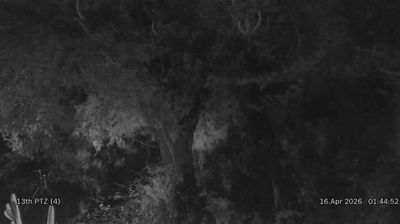
 En direct
À propos du lieu
Contexte local
Eswatini, formally the Kingdom of Eswatini (historically called KaNgwane), also known by its former official names Swaziland and the Kingdom of Swaziland, is a landlocked country in Southern Africa. It is bordered by South Africa on all sides except the east, where it shares a border with Mozambique. At no more than 200 km (120 mi) north to south and 130 km (81 mi) east to west, Eswatini is one of the smallest countries in Africa. However, its climate and topography are diverse, ranging from a cool and mountainous highveld to a hot and dry lowveld. The executive capital and largest city is Mbabane, and the legislative and second capital is Lobamba. The population is composed primarily of ethnic Swazis. The prevalent language is Swazi (siSwati in native form). The Swazis established their kingdom in the mid-18th century under the leadership of Ngwane III. The country and the Swazi take their names from Mswati II, the 19th-century king under whose rule the country was expanded and unified. Its boundaries were drawn up in 1881 in the midst of the European Scramble for Africa. After the Second Boer War, the kingdom, under the name of Swaziland, was a British high commission territory from 1903 until it regained its full independence on 6 September 1968. In April 2018, the king changed the official name from Kingdom of Swaziland to Kingdom of Eswatini, the name commonly used in the Swazi language. Eswatini is a developing country that is classified as having a lower-middle income economy. As a member of the Southern African Customs Union and the Common Market for Eastern and So
Source de l’annuaire
Page externe en direct
Ouvrez la destination d’origine dans un nouvel onglet.
Ouvrir la page externeÀ proximité et recommandés
Webcams en direct du monde
En direct à la une
Profils de diffuseurs


Découvrir des lieux
Annuaire mondial
Africa
Antarctica
Asia
Europe
North America
Oceania
South America